

How to Decorate a House Ththomedec
A beautifully decorated home is more than a place filled with furniture and decorative pieces. It is a space that reflects comfort, personality, lifestyle, and warmth. People spend a large part of their lives inside their homes, which is why the environment should feel peaceful, functional, and visually pleasing at the same time. Many homeowners today search for smart and affordable ideas to improve their interiors without making their homes look overcrowded or outdated.
Learning how to decorate a house ththomedec is about understanding the balance between beauty and practicality. A home should not only look attractive in photographs but also feel comfortable during everyday life. From choosing the right colors to arranging furniture properly, every small detail contributes to the overall atmosphere of a house.
Interior decoration has evolved over the years. Modern homeowners no longer focus only on luxury. Instead, they value simplicity, functionality, natural lighting, and personal style. Whether someone lives in a small apartment or a large family house, good decoration can completely transform the feeling of a space.
Understanding the Importance of Home Decoration
Home decoration affects emotions more than most people realize. The design of a room can influence mood, productivity, comfort, and even relationships within the family. A cluttered and poorly organized house often creates stress, while a clean and thoughtfully designed environment encourages relaxation.
Decoration is not simply about following trends. Some trends disappear quickly, while timeless design choices remain attractive for years. The goal should always be creating a home that feels welcoming and reflects the people living inside it.
One important reason why people explore how to decorate a house ththomedec is because they want practical ideas that work in real homes rather than unrealistic showroom designs. Realistic decoration focuses on comfort, storage, lighting, and everyday functionality while still maintaining elegance.
A successful home design usually combines several important elements together. Color palettes, textures, furniture arrangement, lighting, and decorative accents must work in harmony. If one element feels out of place, the entire room can lose balance.
Choosing Colors That Create Harmony
Color is one of the strongest tools in interior decoration. The shades used inside a home can completely change the feeling of a room. Bright tones can make spaces feel open and energetic, while darker shades often create warmth and intimacy.
Neutral colors continue to remain popular because they provide flexibility. White, cream, beige, soft gray, and light earth tones create calm environments that work well with different styles of furniture and décor. Neutral backgrounds also allow decorative items to stand out naturally.
For homeowners who prefer a more vibrant atmosphere, accent colors can be added through cushions, curtains, rugs, or artwork. Deep green, navy blue, terracotta, and mustard tones are commonly used to add personality without overwhelming the room.
Natural light should also influence color choices. Rooms with large windows usually support darker or richer shades because sunlight prevents the space from feeling heavy. Smaller rooms with limited light often benefit from softer and brighter tones.
Understanding color psychology is another useful part of how to decorate a house ththomedec because colors directly affect how comfortable and relaxing a room feels.
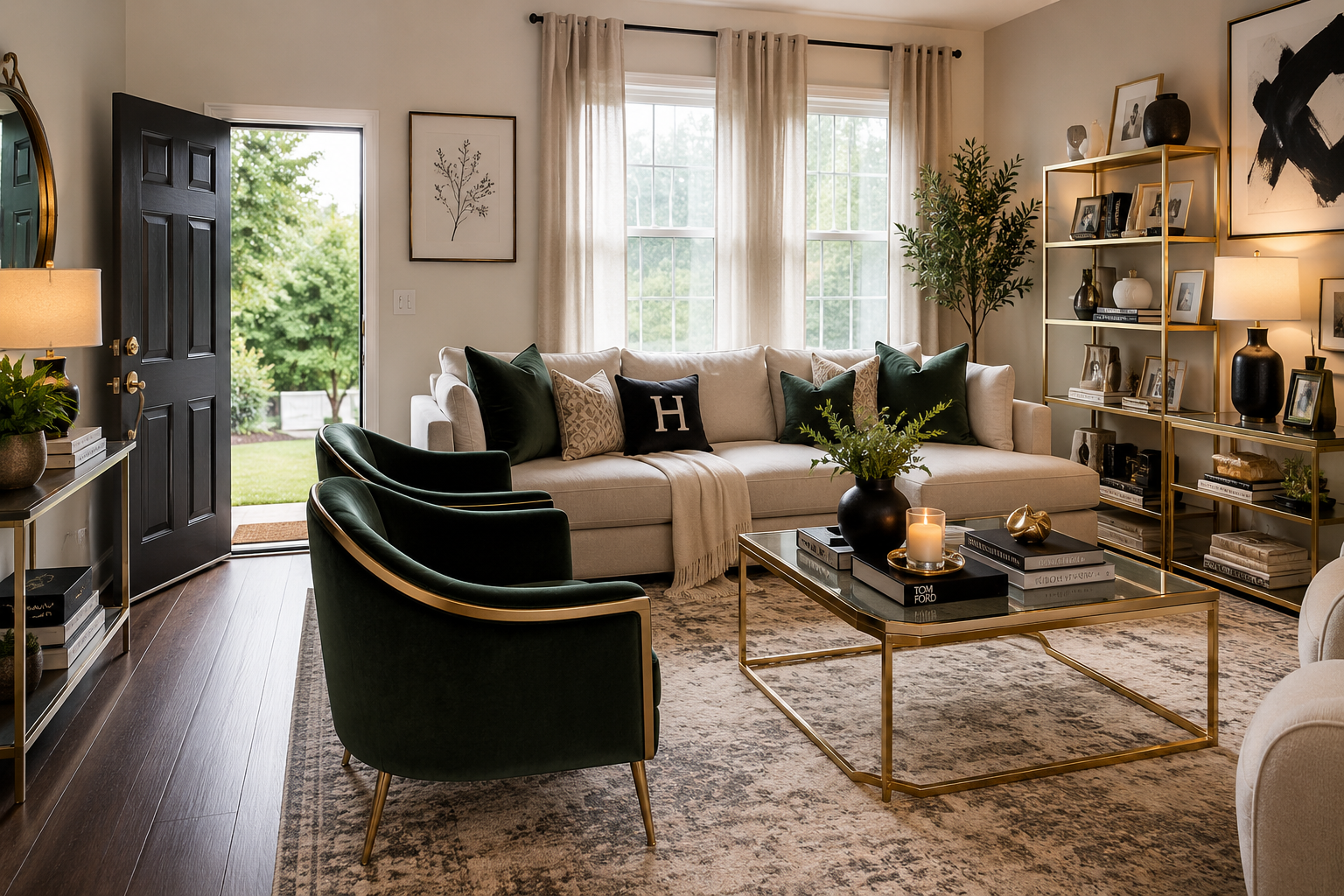
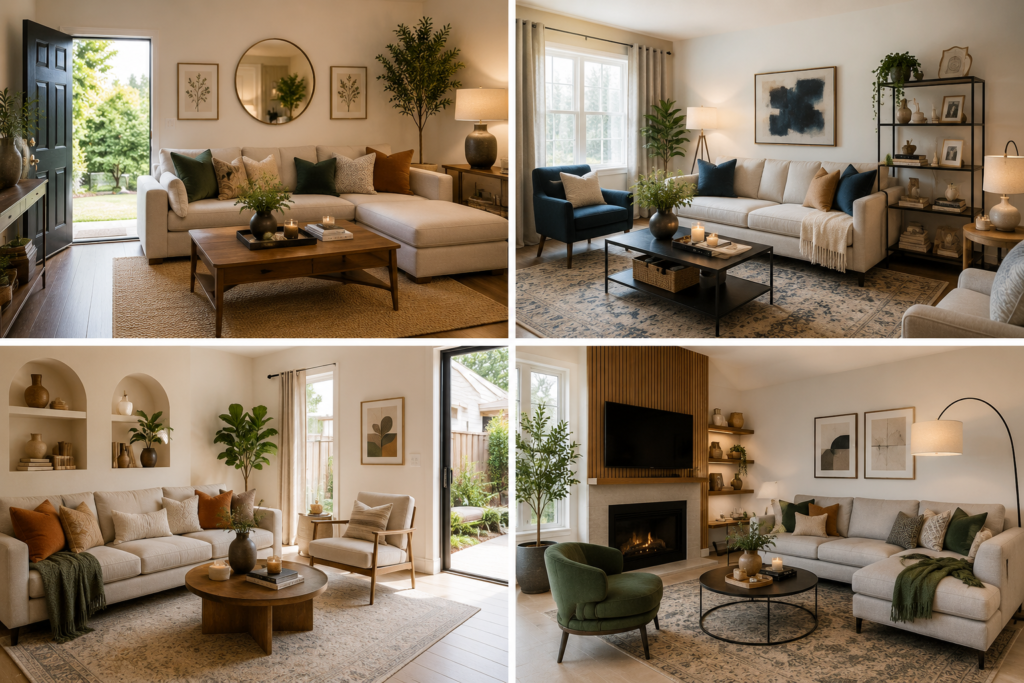
Creating a Comfortable Living Room
The living room is often the center of activity in a house. It is where guests gather, families relax, and conversations happen daily. Because of this, the space should feel both inviting and functional.
Furniture arrangement plays a major role in comfort. Sofas and chairs should encourage interaction while still allowing easy movement throughout the room. Oversized furniture can make small rooms feel crowded, while tiny furniture pieces may look disconnected in larger spaces.
Layered lighting helps create a warm atmosphere. Ceiling lights alone are usually not enough. Floor lamps, table lamps, and wall lighting create depth and improve comfort during evenings.
Textures are equally important. Soft cushions, woven rugs, wooden furniture, and linen curtains add warmth and prevent the room from feeling flat or cold. Indoor plants also bring freshness and natural beauty into living spaces.
Wall decoration should remain balanced. Too many decorative items can create visual clutter. Instead, carefully selected artwork, mirrors, or shelves often create a cleaner and more elegant appearance.
People interested in how to decorate a house ththomedec usually discover that comfort matters just as much as appearance when designing a living room.
Designing a Relaxing Bedroom
Bedrooms should feel peaceful and comfortable because they are designed for rest and relaxation. A well-designed bedroom supports better sleep and creates a calming atmosphere at the end of a busy day.
The bed naturally becomes the focal point of the room. Quality bedding, layered blankets, and comfortable pillows instantly improve both style and comfort. Soft fabrics and neutral shades often create the most relaxing environment.
Storage solutions are essential in bedrooms. Clutter can quickly destroy the peaceful feeling of the space. Built-in storage, under-bed drawers, floating shelves, and organized wardrobes help maintain cleanliness and order.
Lighting should feel soft rather than harsh. Warm bedside lamps and adjustable lighting create a more comfortable atmosphere, especially during nighttime.
Mirrors can also improve smaller bedrooms by reflecting light and making the space appear larger. However, they should be placed carefully to maintain balance within the room.
Learning how to decorate a house ththomedec often involves creating bedrooms that feel personal, functional, and emotionally comforting instead of overly decorative.
Improving Kitchen Style and Functionality
Modern kitchens are no longer hidden cooking spaces. They often act as social areas where families gather throughout the day. Because of this, kitchen decoration should focus on both practicality and style.
Organization is the foundation of every attractive kitchen. Clean countertops and smart storage solutions create a more spacious appearance and improve daily functionality.
Cabinet colors significantly influence the atmosphere of the kitchen. White kitchens remain timeless because they create brightness and simplicity. However, darker cabinet tones such as forest green, charcoal gray, and deep navy are becoming increasingly popular in modern interiors.
Lighting is extremely important in kitchens. Pendant lights above islands, under-cabinet lighting, and natural daylight all improve both aesthetics and usability.
Small decorative details can make kitchens feel more welcoming. Wooden trays, ceramic containers, fresh flowers, and indoor herbs add personality without creating clutter.
For homeowners exploring how to decorate a house ththomedec, kitchen improvement often becomes one of the most satisfying changes because even small upgrades can create noticeable results.
Using Natural Elements in Home Decoration
Nature-inspired decoration continues to grow in popularity because it creates calm and refreshing environments. Natural materials bring warmth and authenticity into modern interiors.
Indoor plants are one of the easiest ways to improve a room. Large plants fill empty corners beautifully, while smaller plants work well on shelves, tables, and windowsills. Besides appearance, plants also help spaces feel more alive and inviting.
Wooden furniture adds timeless charm to interiors. Whether used in flooring, tables, shelves, or decorative accents, wood introduces warmth that artificial materials often cannot match.
Stone textures, woven baskets, linen fabrics, and ceramic pieces also contribute to natural-looking spaces. These materials help create interiors that feel comfortable rather than overly polished or artificial.
Another important part of how to decorate a house ththomedec is understanding that natural elements rarely go out of style because they connect homes with a sense of calm and simplicity.
Decorating Small Homes Effectively
Small homes require thoughtful planning because limited space can easily feel overcrowded. However, smaller spaces can still look stylish and comfortable when designed correctly.
Light colors help compact rooms feel more open and spacious. Mirrors also create the illusion of larger areas by reflecting light throughout the room.
Furniture should serve multiple purposes whenever possible. Storage benches, foldable tables, and beds with built-in drawers maximize functionality without wasting valuable space.
Vertical storage solutions work especially well in small homes. Floating shelves and tall cabinets use wall space efficiently while keeping floors more open.
Minimal decoration often works better in compact interiors. Too many decorative items can quickly create visual clutter. Choosing a few meaningful and stylish pieces usually creates a cleaner and more sophisticated result.
People researching how to decorate a house ththomedec frequently look for space-saving ideas because modern urban homes are becoming smaller in many parts of the world.
The Role of Lighting in Interior Design
Lighting can completely change how a home looks and feels. A poorly lit room may appear dull and uncomfortable even if the furniture and decoration are attractive.
Natural light should always be maximized whenever possible. Large windows, light curtains, and reflective surfaces help distribute sunlight more effectively throughout the home.
Artificial lighting should include multiple layers. Ambient lighting provides general brightness, task lighting supports activities like reading or cooking, and accent lighting highlights decorative features.
Warm lighting usually creates a more welcoming atmosphere compared to bright white lighting. Bedrooms and living rooms especially benefit from softer tones that encourage relaxation.
Decorative light fixtures also act as design elements themselves. Pendant lights, chandeliers, and modern floor lamps add personality while improving functionality.
A key lesson in how to decorate a house ththomedec is recognizing that lighting affects mood, comfort, and the overall appearance of every room.
Personalizing the Home Without Overcrowding
A home should reflect the personality of the people living inside it. Personal touches create emotional connection and make spaces feel unique.
Family photographs, travel souvenirs, favorite books, handmade items, and artwork can all add character. However, balance remains important. Too many decorative objects can make rooms feel chaotic instead of welcoming.
Minimal yet meaningful decoration often creates the strongest visual impact. Carefully selected items usually look more elegant than shelves filled with unnecessary accessories.
Seasonal decoration is another effective way to refresh a home without making permanent changes. Small updates such as changing cushions, throws, candles, or flowers can instantly make interiors feel fresh and updated.
Maintaining organization also plays a major role in keeping homes attractive over time. Even the most beautiful decoration loses its charm when clutter becomes excessive.
Creating a Timeless and Functional Home
Many homeowners make the mistake of following every short-term trend. While trendy interiors may look exciting initially, they often become outdated quickly. Timeless design focuses on long-term comfort, simplicity, and practicality.
Neutral foundations combined with flexible décor allow homes to evolve naturally over time. Instead of replacing entire rooms frequently, homeowners can simply update smaller decorative details when needed.
Quality should always be prioritized over quantity. Durable furniture, comfortable fabrics, and practical layouts provide better value than overcrowding rooms with unnecessary items.
A functional home supports everyday life while still feeling visually pleasing. Storage, comfort, and easy movement throughout rooms matter just as much as appearance.
Understanding how to decorate a house ththomedec helps homeowners focus on creating spaces that feel welcoming, balanced, and genuinely enjoyable for years to come.
Conclusion
Decorating a house is not about copying expensive magazine interiors or filling rooms with trendy furniture. It is about creating spaces that feel comfortable, practical, and emotionally satisfying. Every design choice, from colors and lighting to furniture placement and decorative details, influences the overall atmosphere of a home.
A thoughtfully decorated house improves daily living by creating environments that support relaxation, productivity, and connection. Whether someone prefers modern simplicity, rustic warmth, or elegant traditional design, the most important goal is building a home that reflects personal lifestyle and comfort.
By learning how to use space wisely, balance textures, maximize lighting, and maintain organization, anyone can create a beautiful interior without unnecessary complexity. A successful home design is not measured only by appearance but by how the space makes people feel every day.
