

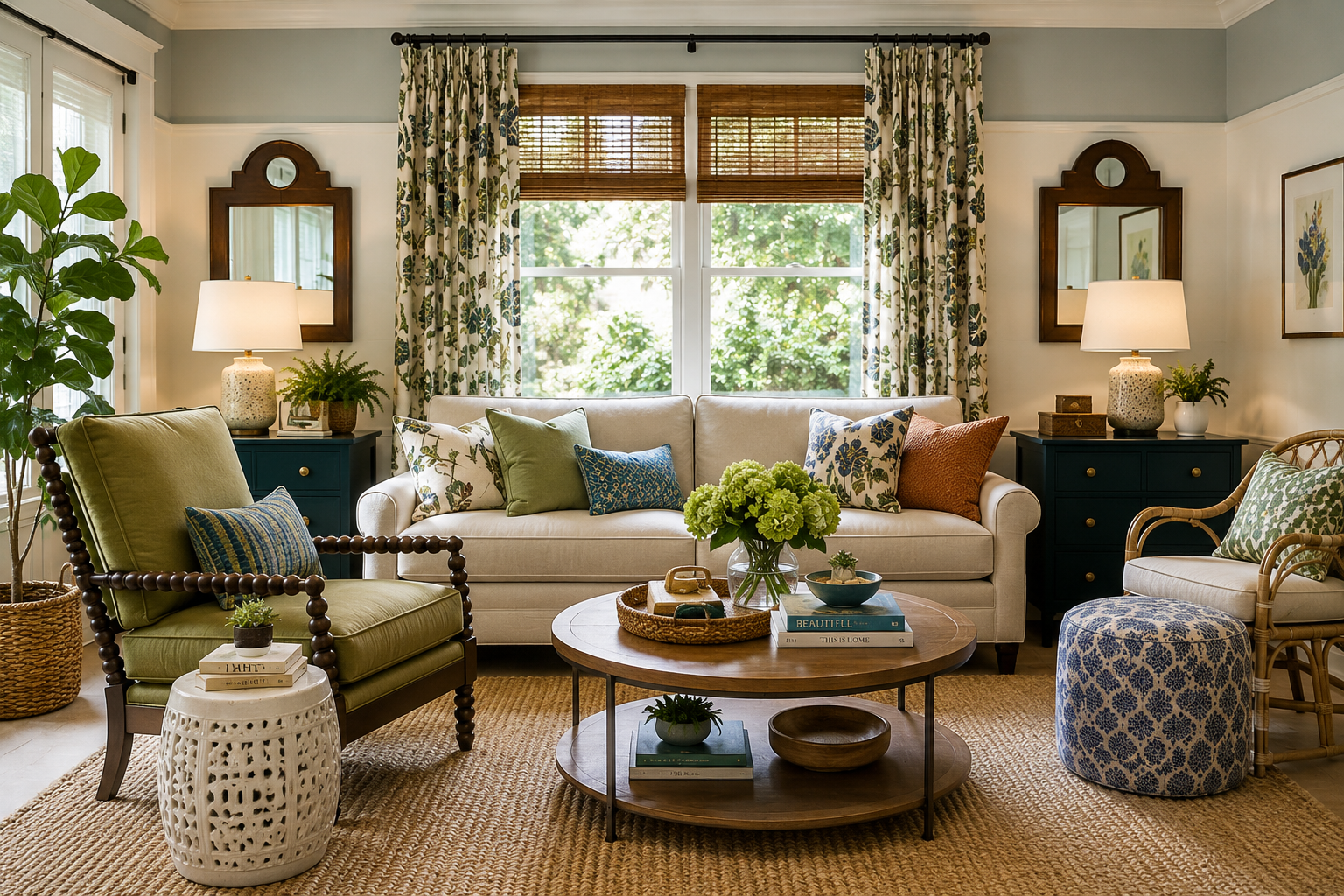
How to Decorate My House Decoradhouse
A beautiful home is not created by expensive furniture alone. The real charm of a well-decorated house comes from balance, comfort, personality, and thoughtful design choices. Every room should feel welcoming, functional, and connected to the lifestyle of the people living there.
Today, many homeowners search for practical inspiration about how to decorate my house decoradhouse because modern decorating is no longer only about luxury. People want stylish spaces that feel cozy, organized, and meaningful without wasting money on unnecessary trends.
Whether you live in a compact apartment, a modern villa, or a traditional family house, smart decorating can completely transform the atmosphere of your home. From lighting and color palettes to furniture arrangement and wall styling, every detail contributes to the overall look and feel.
This guide explores interior design ideas, home styling techniques, room transformation strategies, and practical decor tips that help create a timeless and visually appealing living space.
Understanding the Purpose of Home Decoration
Home decoration is not only about appearance. A properly designed environment can improve comfort, productivity, relaxation, and emotional well-being.
Interior spaces affect mood more than people realize. Bright and airy rooms often create energy and positivity, while warm textures and soft lighting encourage relaxation. A cluttered house may feel stressful, but an organized and thoughtfully decorated home creates peace of mind.
When exploring how to decorate my house decoradhouse, it helps to think beyond trends and focus on how each room should function daily. A home should support real life while still feeling visually attractive.
Good decoration combines beauty with practicality. That balance is what makes a house feel complete rather than simply furnished.
Finding Your Interior Design Style
Before purchasing decor items, it is important to understand your personal style. Many decorating mistakes happen because homeowners mix too many unrelated design trends together.
Modern interiors usually focus on minimal furniture, neutral shades, clean lines, and open layouts. Scandinavian homes emphasize simplicity, natural light, and functionality. Rustic spaces often include wood textures, earthy colors, and cozy materials.
Some people prefer bohemian decor filled with plants, layered fabrics, and artistic accents. Others enjoy luxury contemporary interiors inspired by brands like Armani Casa, Restoration Hardware, or West Elm.
When deciding how to decorate my house decoradhouse, identifying your preferred style helps create consistency throughout the home. A unified design approach makes rooms feel connected and professionally styled.
Choosing the Perfect Color Scheme
Color is one of the strongest elements in interior decoration because it shapes the emotional tone of a room.
Neutral colors such as white, beige, cream, taupe, and soft gray remain popular because they create brightness and flexibility. These shades also make it easier to change decor accessories later without redesigning the entire room.
Accent colors add personality and depth. Deep green, navy blue, terracotta, charcoal, mustard yellow, and olive tones are widely used in modern home interiors because they feel sophisticated without becoming overwhelming.
Natural light should always influence paint choices. A color that looks perfect in a showroom may appear completely different inside a darker room.
Soft and balanced palettes often create more timeless interiors than extremely bold combinations that quickly feel outdated.
The Importance of Furniture Placement
Furniture arrangement has a major impact on how spacious and comfortable a home feels. Even beautiful furniture can make a room feel awkward if positioned incorrectly.
The living room should encourage conversation and movement. Sofas and chairs should not block pathways or create visual heaviness. Leaving breathing space between furniture pieces makes the room appear more open.
Large furniture works best in spacious areas, while compact multifunctional furniture is ideal for apartments or smaller homes.
One important principle of how to decorate my house decoradhouse is understanding scale and proportion. Oversized coffee tables, tiny rugs, or bulky cabinets can easily disrupt visual balance.
Smart furniture placement improves functionality while making rooms feel naturally elegant.
Decorating Walls Without Overcrowding
Walls provide an opportunity to express personality and add depth to interior spaces. However, overcrowded walls can make rooms feel chaotic.
Large artwork creates stronger impact than multiple tiny decorations scattered randomly. Framed photography, abstract paintings, textured wall panels, and minimalist prints are commonly used in contemporary homes.
Gallery walls remain popular when designed carefully with consistent spacing and coordinated frames.
Mirrors are especially effective because they reflect light and visually enlarge smaller spaces. A well-positioned mirror can dramatically improve brightness in darker rooms.
Accent walls using marble textures, wooden panels, wallpaper, or decorative molding can also become powerful focal points in modern interiors.
Lighting Creates the Mood of a Home
Lighting is one of the most overlooked aspects of home decoration, yet it influences the atmosphere more than almost anything else.
Natural daylight should always be maximized whenever possible. Sheer curtains, large windows, and reflective surfaces help distribute sunlight evenly.
Artificial lighting works best in layers. Ceiling lights provide general illumination, floor lamps add warmth, table lamps create intimacy, and LED strips highlight architectural details.
Warm-toned lighting generally feels more inviting than cold white light. Luxury hotels often use soft lighting because it creates comfort and sophistication.
When researching how to decorate my house decoradhouse, many people focus heavily on furniture but underestimate how dramatically lighting affects the final appearance.
Making Small Spaces Look Bigger
Not every home has large rooms, but smart decorating techniques can create the illusion of spaciousness.
Light wall colors help reflect brightness and visually open up compact areas. Mirrors also enhance depth and reduce feelings of confinement.
Furniture with exposed legs often appears lighter than bulky floor-touching designs. Floating shelves and wall-mounted storage free up valuable floor space.
Minimal clutter is essential in smaller homes. Decorative items should be carefully selected rather than excessively displayed.
Storage solutions play a major role as well. Beds with hidden drawers, foldable tables, and built-in cabinets help maintain organization while preserving style.
Adding Texture for a Designer Look
Professional interiors rarely rely only on color. Texture creates richness, warmth, and visual interest.
Soft fabrics like velvet, linen, cotton, wool, and boucle add comfort and depth to furniture and accessories. Natural materials such as wood, stone, rattan, marble, and leather create timeless elegance.
Combining contrasting textures often produces the best results. A smooth marble table paired with woven baskets and soft cushions creates balance and sophistication.
Texture becomes especially important in neutral spaces because it prevents rooms from looking flat or lifeless.
Many modern designers use texture layering as a key strategy when planning how to decorate my house decoradhouse in a way that feels luxurious yet comfortable.
Decorating the Living Room Effectively
The living room is usually the center of social interaction in a home. It should feel both stylish and practical.
Comfortable seating matters more than excessive decoration. Sofas, lounge chairs, and rugs should encourage relaxation while maintaining visual harmony.
Indoor plants bring freshness and energy into living spaces. Popular options include snake plants, fiddle leaf figs, monstera, and pothos because they work well in modern interiors.
Coffee tables should remain functional without becoming cluttered. Decorative books, candles, trays, and ceramic pieces can add personality in a subtle way.
Curtains also influence the atmosphere significantly. Floor-length curtains often make ceilings appear taller and rooms feel more elegant.
Creating a Relaxing Bedroom
Bedrooms should feel peaceful rather than overly decorative. Calm environments improve rest and emotional comfort.
Soft bedding, layered pillows, textured blankets, and breathable fabrics contribute to a hotel-inspired atmosphere. Neutral colors usually work best because they promote relaxation.
Lighting in bedrooms should remain soft and adjustable. Bedside lamps and warm ambient lighting create a cozy mood during evenings.
Wall decor should stay minimal and calming instead of visually overwhelming.
Many people interested in how to decorate my house decoradhouse focus heavily on living rooms while ignoring bedrooms, even though bedrooms strongly affect daily comfort and sleep quality.
Designing a Stylish Kitchen
Modern kitchens are now multifunctional spaces used for cooking, dining, and socializing.
Organization is critical because cluttered countertops quickly make kitchens feel stressful. Smart storage systems improve both appearance and functionality.
Open shelving can look beautiful when items are arranged neatly with coordinated colors and spacing.
Materials such as quartz countertops, wooden accents, matte black fixtures, and subway tiles remain popular because they blend modern and timeless aesthetics.
Pendant lighting above kitchen islands adds style while improving visibility and atmosphere.
Bathroom Decoration Ideas
Bathrooms can feel luxurious without requiring major renovation costs.
Large mirrors, soft lighting, clean lines, and quality accessories instantly elevate the space. Neutral tones combined with natural textures often create spa-inspired environments.
Small details matter here. Matching dispensers, folded towels, decorative trays, and subtle greenery contribute to a polished appearance.
Minimalism works particularly well in bathrooms because simplicity enhances feelings of cleanliness and calmness.
Decorating on a Budget
A beautiful home does not require unlimited money. Creativity often matters more than budget size.
Second-hand furniture stores, flea markets, and vintage shops can offer unique decor pieces with character and charm. Many older furniture items become stunning after repainting or refinishing.
DIY projects also add personal identity to a home. Handmade artwork, customized shelves, and repurposed furniture create originality that mass-produced decor often lacks.
When planning how to decorate my house decoradhouse affordably, focus first on high-impact changes such as paint, lighting, curtains, and rugs because these transformations usually provide the biggest visual improvement.
Avoiding Common Home Decorating Mistakes
One common mistake is overcrowding rooms with too many decorative objects. Empty space is important because it allows focal pieces to stand out naturally.
Another issue is following every trend seen on social media. Trend-heavy interiors may look outdated quickly.
Ignoring room proportions can also damage visual balance. Tiny rugs or oversized furniture often make rooms feel awkward.
Poor lighting combinations create flat and uninviting spaces even when furniture is expensive.
Decorating gradually instead of rushing helps homeowners make better long-term decisions and build more meaningful interiors.
The Emotional Power of Home Design
The best homes are not necessarily the most expensive ones. They are the spaces that feel authentic, warm, and emotionally comforting.
Family photos, travel souvenirs, books, handcrafted items, and meaningful decor create emotional connection. These details give homes personality and individuality.
A house should support real living rather than feel like a staged showroom. Comfort, functionality, and emotional warmth always matter more than perfection.
People searching for how to decorate my house decoradhouse often want more than visual beauty. They want a peaceful environment where they can relax, connect, and feel truly at home.
Conclusion
Home decoration is a creative process that combines functionality, style, comfort, and personal expression. Every room should feel intentional, balanced, and connected to the lifestyle of the people living there.
From furniture placement and lighting to color palettes and textures, each design choice influences how a home feels emotionally and visually. Thoughtful decoration does not require luxury budgets or professional designers. Small improvements made with purpose often create the biggest transformations.
When approaching how to decorate my house decoradhouse, focus on timeless comfort instead of temporary trends. A beautiful home grows naturally over time and reflects the experiences, personality, and values of the people inside it.
The most memorable homes are never defined only by expensive decor. They are remembered because they feel welcoming, peaceful, functional, and genuinely lived in.
