

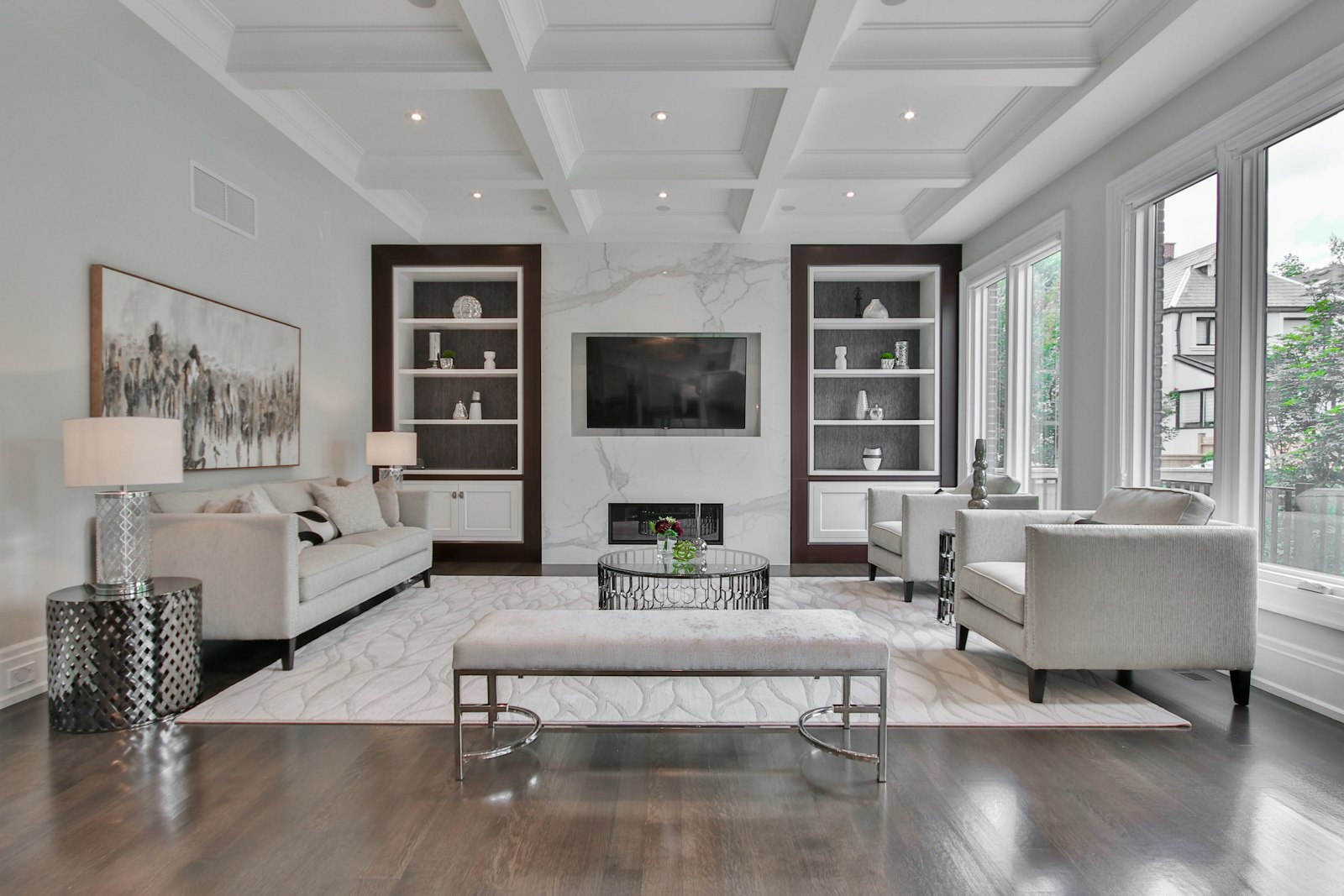
The most recognized interior design styles include modern, contemporary, minimalist, Scandinavian, industrial, farmhouse, bohemian, traditional, transitional, coastal, mid-century modern, and Art Deco — each defined by distinct colors, materials, furniture shapes, and details. But naming them is the easy part. What really matters is how each style feels to live with — and which one quietly matches the way you already live. This guide walks you through all twelve in plain, practical language, so you can spot your style (or your perfect mix) with confidence.
Think of an interior design style as a shared visual language. It’s the set of recurring characteristics — the layout of a room, the silhouette of a sofa, the color on the walls, the hardware on the cabinets, the textiles under your feet — that give a space its recognizable personality. Once you can name these elements, you can describe what you love and recreate it on purpose instead of by accident.
Here’s the part most people find freeing: real homes rarely belong to a single style. They blend two or three, the way a good wardrobe mixes timeless pieces with a few bold ones. So treat these twelve styles as vocabulary, not rules. They’re here to help you talk about design with confidence — whether you’re briefing a designer or just wandering a furniture store. For a sweeping look at the movements that shaped how we decorate, the Architectural Digest design guides are well worth your time.
12 Popular Interior Design Styles Explained
Below, each style gets its own portrait. Read them like character sketches — and notice which one you’d happily live with.
1. Modern Interior Design
Modern design was born in the early-to-mid 1900s, when designers decided ornament was optional and function was everything. “Form follows function” isn’t just a slogan here — it’s the entire philosophy. Rooms breathe. Clean lines, uncluttered surfaces, and a disciplined palette of white, black, gray, and beige create spaces that feel calm, rational, and quietly sure of themselves.
Furniture sits low and purposeful, and honest materials do the talking: warm wood, supple leather, and cool stone set against steel and glass. Nothing fussy, nothing fake. If you crave visual calm and believe a room should work as beautifully as it looks, you’ll feel at home here.
2. Contemporary Interior Design
Contemporary literally means “of the present moment” — which makes it both exciting and a little slippery. Unlike modern design, which names a specific historical movement, contemporary keeps evolving. It borrows from what’s current right now and changes as tastes change. Think of it as design’s living diary.
In practice, you’ll see open, airy rooms built on neutral foundations and finished with bold, confident accents. Curved and straight lines share the same space — a sculptural chair beside a crisp-lined sofa — so rooms feel fresh without trying too hard. If your taste shifts with the seasons, contemporary gives you full permission to shift with it.
3. Minimalist Interior Design
“Less is more” isn’t a motto for minimalists — it’s a lifestyle. These rooms are monochromatic and serene, furnished with geometric pieces chosen for beauty and purpose in equal measure. Storage stays hidden, clutter gets no vote, and the empty space between objects becomes a design element all its own.
Done well, it never feels cold. It feels calm. Every object earns its place, which means every object finally gets noticed. If you find peace in order and consider breathing room the ultimate luxury, minimalism was made for you.

4. Scandinavian Interior Design
From Denmark, Norway, Sweden, and Finland comes a style shaped by long, dark winters. Scandinavian design is obsessed with light — pale woods, white walls, and sheer fabrics all conspire to bounce every precious ray around the room.
Then hygge steps in. That Danish idea of cozy contentment softens everything: layered textiles, candlelight, furniture you sink into rather than perch on. The result feels fresh in July and like a warm hug in January.
5. Industrial Interior Design
Industrial design celebrates a building’s bones instead of hiding them. Exposed brick, visible ductwork, raw concrete, steel beams — they’re not flaws to cover up, they’re the stars of the show. There’s an honesty to it that polished styles can’t fake.
The palette runs dark and earthy, but worn leather and reclaimed wood warm it right up — materials with a past life and a story to tell. If you love lofts, old factories, and beauty that doesn’t try too hard, this one’s for you.
6. Farmhouse Interior Design
Farmhouse wraps you in the warmth of a slower, simpler life. Shiplap walls, exposed ceiling beams, deep apron sinks, wide-plank floors underfoot. The palette stays soft — creamy whites, warm grays, gentle beiges — while vintage finds and new pieces mix into a look that feels collected, not decorated.
It’s comfortable without being sloppy, nostalgic without turning into a museum. And since the kitchen is the undisputed heart of this style, it’s worth browsing these kitchen design ideas if you want that gathered, hardworking charm in your own cooking space.
7. Bohemian (Boho) Interior Design
Boho is the free spirit of the design world — layered, global, gloriously colorful. Jewel tones meet mixed patterns, plants spill from every corner, and vintage and handmade pieces hint at travels real and imagined. Rules? There are none. Instinct runs the show.
The trick is layering with love: a Moroccan rug over a kilim, embroidered cushions against a velvet sofa, brass and rattan and carved wood all in happy conversation. When it works, your home feels like the most interesting person at the party.

8. Traditional Interior Design
Rooted in classic European interiors, traditional design is the gracious elder of the family. Symmetry rules — pairs of lamps, matching armchairs, balanced arrangements — while rich woods, damask and floral fabrics, and deep, warm colors build rooms that feel established and enduring.
Formal, yes, but never cold. A traditional room is made for real life lived well: long dinners, good books, slow Sunday afternoons. If you love antiques, heirlooms, and rooms with a sense of history, traditional honors all of it.
9. Transitional Interior Design
Torn between traditional elegance and contemporary freshness? You don’t have to choose. Transitional is the bridge between the two — classic proportions and timeless silhouettes, cleaned up with simpler lines and a calmer, more neutral palette.
Think of it as the diplomat of design: familiar enough to feel comfortable, updated enough to feel current. In households where one person loves antiques and the other loves minimalism, transitional is the happy middle ground.
10. Coastal Interior Design
Coastal design bottles a perfect beach day and pours it into your home. Everything feels light, breezy, and serene — crisp whites, sandy beiges, soft blues, sea-glass greens washing over rooms like gentle surf.
Natural textures do the heavy lifting: rattan chairs, jute rugs, linen curtains moving in the breeze. And no, you don’t need an ocean view. You just need a soft spot for calm, sunlit spaces.
11. Mid-Century Modern Interior Design
Born in the optimistic 1940s through ’60s, mid-century modern pairs organic shapes and tapered legs with a playful spirit. Teak and walnut mingle with molded plastic — natural warmth meets space-age invention, and somehow it all works.
The color story is pure joy: mustard, teal, and burnt orange popping against warm neutrals like exclamation points. Decades on, these pieces still feel fresh — proof that great design doesn’t age, it just gets more collectible.
12. Art Deco Interior Design
Step into the 1920s and ’30s and you step straight into glamour. Art Deco runs on bold geometry — sunbursts, chevrons, zigzags — rendered in sumptuous materials like polished brass, veined marble, and glossy lacquer. Jewel tones deepen the drama, and every surface seems to catch the light.
It’s Gatsby energy for your home: confident, luxurious, gloriously decorative. For a deeper dive into this dazzling era, read our Art Deco interior design guide.
Interior Design Styles at a Glance
If you’re torn between a few favorites, this side-by-side snapshot makes the differences click.
| Style | Signature look | Go-to palette | Choose it if you… |
|---|---|---|---|
| Modern | Clean lines, low-slung furniture, honest materials | White, black, gray, beige | Crave calm, uncluttered rooms |
| Contemporary | Sculptural mix of curves and crisp lines, current accents | Neutrals with bold accents | Like your taste to keep evolving |
| Minimalist | Geometric pieces, hidden storage, generous breathing room | Monochromatic | Find peace in order |
| Scandinavian | Pale woods, layered textiles, light-maximizing layouts | Whites and pale neutrals | Want bright rooms that still feel cozy |
| Industrial | Exposed brick, ductwork, raw concrete and steel | Dark, earthy tones | Love lofts and old-soul spaces |
| Farmhouse | Shiplap, ceiling beams, apron sinks, vintage mix | Creamy whites, warm grays, beiges | Want warmth and gathered comfort |
| Bohemian | Layered patterns, plants, global and handmade finds | Jewel tones, mixed hues | Decorate by instinct, not rules |
| Traditional | Symmetry, rich woods, damask and floral fabrics | Deep, warm colors | Love antiques and formal entertaining |
| Transitional | Classic silhouettes with simpler, calmer lines | Soft, quiet neutrals | Are split between old and new |
| Coastal | Breezy natural textures, light-washed rooms | White, sand, soft blue, sea-glass green | Want calm, sunlit living anywhere |
| Mid-Century Modern | Organic shapes, tapered legs, retro warmth | Mustard, teal, burnt orange, warm neutrals | Collect vintage with a playful streak |
| Art Deco | Bold geometry, mirrored and lacquered finishes | Black, white, jewel tones, metallics | Love confident, glamorous spaces |
How to Find the Interior Design Style That Suits You
Start with what you love. Save twenty to thirty photos of rooms that make your heart beat faster — from magazines, Pinterest, or a friend’s living room — then look for patterns. Light or moody? Curved or angular? Your collection will name your style before you can.
Be honest about your life. A pristine all-white room is a different proposition with toddlers, dogs, or a habit of hosting dinner parties. Your style has to serve the life you actually live. Take stock of your space too — its size, its light, its quirks — because the best style is one your home can wear well.
Find your color comfort zone. Which hues do you reach for in your wardrobe? Which ones calm you down? Color is the fastest way to make any style yours. And don’t try to decorate the whole house at once — start with one room and let it teach you what you love. These modern home inspiration ideas make a great starting point.
Blend with intention. Let one style lead — roughly seventy to eighty percent of the room — and give a second style a supporting role, tied together by a repeating color or material. You’ll see this idea in action in these living room decor ideas, where mixed pieces still feel perfectly composed.
Editor’s tip: before buying anything big, map out furniture footprints on the floor with painter’s tape. Testing scale and walkways this way prevents the most common — and expensive — decorating mistake: pieces that look right online but overwhelm the room.
Key Takeaways
Twelve recognized styles — from modern and minimalist to coastal and Art Deco — give you a full design vocabulary. The distinction worth remembering: modern names a historical early-to-mid-1900s movement, while contemporary describes the ever-evolving present. And in practice, the loveliest homes rarely pledge allegiance to one style — they lead with a dominant look and layer in secondary influences, pulled together by color, material, and the way you live.
Frequently Asked Questions
What is the most popular interior design style?
There’s no official ranking — but in design conversations, the same names keep surfacing: modern, farmhouse, Scandinavian, and minimalist. Trends shift, though, so the smarter question is which style you’ll still love ten years from now.
What is the difference between modern and contemporary?
Modern points to a specific historical movement from the early to mid-1900s, built on clean lines and “form follows function.” Contemporary just means “of the present moment” — it evolves constantly to reflect what’s current. Put simply: modern is a chapter in design history; contemporary is the page being written today.
Can I mix two interior design styles?
Absolutely — the most interesting rooms usually do. Use the designer-approved formula: let one style dominate about seventy to eighty percent of the space, then tie in the second with a unifying palette or repeating material. The result feels collected and personal, never chaotic.
How do I choose a style for a small space?
Lean toward styles that celebrate light and simplicity — Scandinavian, minimalist, contemporary, and coastal all shine in compact rooms. Stick with light colors that visually expand the space, and pick multifunctional pieces (a storage ottoman, a drop-leaf table) so every square foot works twice as hard.
What is timeless interior design?
Timeless design skips trends in favor of enduring principles. Traditional, transitional, and well-executed modern rooms age gracefully because they’re built on classic proportions, quality materials, and neutral foundations. Choose craftsmanship over novelty, and your rooms will look as good in a decade as they do today.
Sources
- Victoria and Albert Museum — An introduction to Art Deco
- Encyclopaedia Britannica — Art Deco
- Wikipedia — Mid-century modern

1 Comment
Pingback: Art Deco Interior Design: Complete Style Guide