

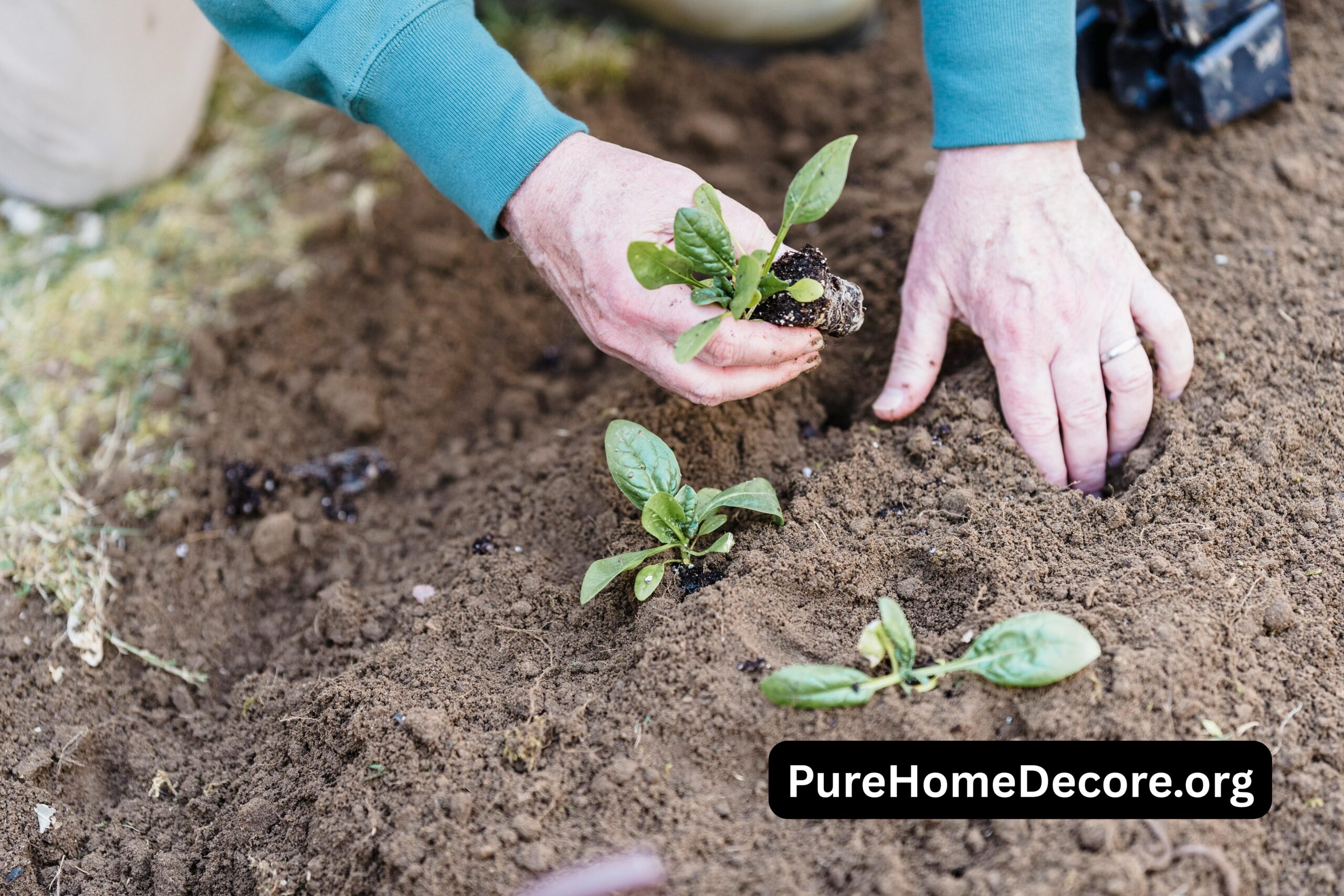
Gardening in Colorado can be both rewarding and challenging. The state’s breathtaking landscapes, abundant sunshine, and diverse growing regions create excellent opportunities for gardeners. However, high elevations, unpredictable weather patterns, intense sunlight, and short growing seasons require a thoughtful approach. Understanding Colorado Planting practices is essential for anyone hoping to grow healthy vegetables, colorful flowers, productive fruit trees, or sustainable landscapes.
Unlike many other states, Colorado does not have a one-size-fits-all gardening calendar. Conditions vary dramatically between mountain communities, Front Range cities, Western Slope valleys, and Eastern Plains farmland. Successful gardeners learn how to adapt to their local environment while taking advantage of Colorado’s unique growing conditions.
Whether you are planting your first backyard garden or managing a large landscape, understanding the fundamentals of Colorado gardening can help maximize success while minimizing frustration.
Why Colorado Gardening Is Different
Colorado’s geography makes gardening unlike almost anywhere else in the United States.
Elevations range from just over 3,000 feet in some eastern areas to more than 14,000 feet in the Rocky Mountains. These dramatic differences affect temperature, moisture levels, growing seasons, and plant selection.
Colorado Planting often requires gardeners to pay close attention to weather forecasts because sudden temperature changes are common. A warm spring day can quickly be followed by snow or freezing temperatures.
The state’s dry climate also creates unique challenges. Low humidity increases water loss, while intense sunshine can stress plants that are not adapted to local conditions.
Understanding these environmental factors is the first step toward creating a successful garden.
Understanding Colorado’s Growing Zones
The USDA Hardiness Zone system helps gardeners determine which plants are most likely to survive local winter conditions.
Colorado contains several hardiness zones ranging from Zone 3 in colder mountain areas to Zone 7 in warmer locations.
Successful Colorado Planting begins with understanding your specific zone and microclimate.
Urban areas often experience slightly warmer temperatures due to buildings and pavement. South-facing slopes may warm earlier in spring, while shaded areas remain cooler longer.
Knowing these local variations allows gardeners to select plants that match their environment and avoid unnecessary losses.
The Role of Soil in Garden Success
Soil quality directly affects plant health, growth rates, and harvest yields.
Many Colorado soils contain clay, which can become compacted and limit root development. Other areas have sandy or rocky soils that drain too quickly.
Improving soil is one of the most valuable investments in Colorado Planting.
Adding compost increases organic matter, improves structure, enhances drainage, and supports beneficial soil organisms.
Healthy soil also helps retain moisture more effectively, reducing irrigation needs during hot summer months.
Regular soil testing can reveal nutrient deficiencies and help gardeners make informed decisions about amendments and fertilizers.
Preparing Garden Beds Properly
Preparation plays a major role in long-term garden success.
Before planting, gardeners should remove weeds, loosen compacted soil, and incorporate organic matter.
Colorado Planting projects often benefit from raised beds because they warm faster in spring and provide better drainage.
Raised beds also allow greater control over soil quality and reduce problems associated with heavy clay soils.
Preparing beds several weeks before planting creates an ideal environment for seed germination and root development.
This extra effort often produces healthier plants and higher yields throughout the growing season.
Choosing Vegetables That Thrive in Colorado
Vegetable selection can greatly influence gardening success.
Cool-season crops often perform exceptionally well because they tolerate Colorado’s temperature fluctuations.
Popular choices include lettuce, spinach, kale, peas, carrots, radishes, onions, and beets.
Colorado Planting schedules frequently begin with these crops because they can handle cooler spring conditions.
Warm-season vegetables such as tomatoes, peppers, cucumbers, squash, and beans also thrive when planted after frost danger passes.
Selecting varieties specifically suited to shorter growing seasons often produces the best results.
Understanding Frost Dates
Frost dates are among the most important considerations for gardeners.
Colorado’s growing season can vary significantly depending on location and elevation.
Successful Colorado Planting requires awareness of average last spring frost dates and first autumn frost dates.
Many gardeners start seeds indoors to extend the growing season and give plants a head start.
Protective structures such as cold frames, row covers, and small greenhouses can also help safeguard plants from unexpected freezes.
Monitoring local weather conditions remains essential throughout spring and fall.
Spring Gardening Opportunities
Spring marks the beginning of the busiest gardening season.
As temperatures gradually rise, gardeners begin preparing beds, starting seeds, and planting cool-weather crops.
Colorado Planting activities in spring often focus on leafy greens, root vegetables, onions, and peas.
These crops tolerate cooler temperatures and can be harvested before summer heat arrives.
Gardeners should avoid rushing warm-season crops into the ground too early, as late frosts remain common across many regions.
Patience often leads to healthier plants and stronger harvests.
Managing Summer Heat and Sunlight
Colorado receives abundant sunshine throughout the growing season.
While sunlight benefits plant growth, excessive heat and intense UV exposure can create challenges.
Colorado Planting success during summer often depends on proper watering, mulching, and heat management.
Organic mulch helps retain moisture, moderate soil temperatures, and reduce weed growth.
Watering deeply rather than frequently encourages stronger root systems and improves drought resistance.
Many gardeners also use shade cloth during extreme heat waves to protect sensitive crops.
Fall Gardening and Extended Harvests
Autumn offers excellent gardening opportunities that many people overlook.
Cool temperatures create ideal conditions for leafy greens, root crops, and many herbs.
Colorado Planting efforts in fall often include spinach, lettuce, kale, radishes, and carrots.
Many of these crops develop improved flavor after exposure to cooler temperatures.
Fall is also an excellent time for planting trees, shrubs, and perennials because root systems can establish before winter arrives.
This often leads to stronger growth the following spring.
Water Conservation Strategies
Water management is a major concern throughout much of Colorado.
The state’s semi-arid climate makes efficient irrigation essential for sustainable gardening.
Colorado Planting projects benefit greatly from drip irrigation systems that deliver water directly to plant roots.
Compared to overhead sprinklers, drip systems reduce evaporation and improve efficiency.
Mulching, soil improvement, and proper plant spacing further help conserve moisture.
These strategies support healthy gardens while minimizing water consumption.
The Benefits of Native Plants
Native plants have evolved under Colorado’s environmental conditions and often require less maintenance than non-native species.
They are typically more drought-tolerant, disease-resistant, and beneficial to local wildlife.
Many homeowners include native species in Colorado Planting plans to create sustainable landscapes.
Popular native plants include penstemon, blanket flower, blue grama grass, Rocky Mountain bee plant, and rabbitbrush.
These species provide beauty while supporting pollinators such as bees, butterflies, and hummingbirds.
Native landscaping continues growing in popularity throughout the state.
Growing Fruit in Colorado
Many gardeners are surprised by the variety of fruits that can be grown successfully in Colorado.
Apples, cherries, plums, peaches, strawberries, raspberries, and currants are commonly cultivated in suitable locations.
Fruit-focused Colorado Planting requires attention to variety selection, pollination needs, pruning, and frost protection.
Certain fruit trees perform better in lower elevations with longer growing seasons.
Choosing locally adapted varieties significantly improves the likelihood of success.
With proper care, fruit-producing plants can provide harvests for decades.
Supporting Pollinators
Pollinators play a critical role in healthy gardens and ecosystems.
Bees, butterflies, moths, and hummingbirds help many plants produce fruits and seeds.
Including pollinator-friendly species in Colorado Planting projects benefits both gardens and local wildlife.
Plants with staggered bloom times provide food sources throughout the growing season.
Reducing pesticide use and creating habitat areas further support pollinator populations.
These efforts contribute to stronger ecosystems and increased garden productivity.
Common Gardening Challenges
Colorado gardeners regularly face environmental challenges that require flexibility and preparation.
Late frosts, hailstorms, strong winds, drought conditions, and rapid temperature changes can all affect plant health.
Successful Colorado Planting involves planning for these potential obstacles.
Protective structures, weather monitoring, and proper plant selection can reduce risks significantly.
Gardeners who understand local conditions often recover more quickly from unexpected weather events.
Adaptability remains one of the most valuable gardening skills in Colorado.
Long-Term Garden Planning
Great gardens are built over time rather than in a single season.
Keeping records of planting dates, weather conditions, crop performance, and successful varieties helps improve future results.
Colorado Planting becomes easier when gardeners learn from past experiences and adapt their strategies accordingly.
Crop rotation, soil improvement, seasonal planning, and regular maintenance contribute to long-term success.
Small adjustments each year often lead to significant improvements over time.
Experienced gardeners understand that observation and patience are just as important as planting itself.
Conclusion
Colorado offers unique gardening opportunities for those willing to work with its climate rather than against it. While challenges such as short growing seasons, dry conditions, and unpredictable weather require careful planning, they also encourage smarter gardening practices.
Colorado Planting success comes from understanding local conditions, selecting appropriate plants, improving soil quality, and managing water efficiently. Whether growing vegetables, flowers, fruit trees, herbs, or native landscapes, gardeners who embrace Colorado’s distinctive environment can achieve impressive results.
With proper preparation and ongoing learning, any gardener can create a thriving and productive outdoor space that flourishes season after season.
